
Welcome
A Living Legacy of Art, Royalty & Culture
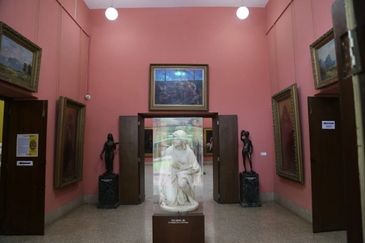
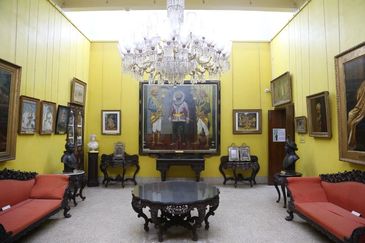
Home to one of India's finest Raja Ravi Varma collections and masterpieces by renowned Indian and international artists.
Home to one of India's finest Raja Ravi Varma collections and masterpieces by renowned Indian and international artists.

The Maharaja Fatehsingh Museum stands as more than a repository of art— it is a living institution that reflects vision, heritage, and scholarship. Each object within its walls carries a narrative, offering visitors a journey through time, culture, and artistic excellence.
To protect, preserve, enlarge, and improve collections of art, articles of decoration, pictures, portraits, and other related items within the museum's purview. To assist researchers and scholars in the study and research of art, including literary, scientific, historical, and religious matters, contributing to the advancement of knowledge in general.
After Independence, royal artworks, once dispersed across various palaces, were brought back to the Lukshmi Vilas Palace. It was here that Maharaja Fatehsinghrao Gaekwad envisioned a museum within the former Prince School building—creating a space to preserve and share this extraordinary artistic legacy.
In 1958, noted art historian Hermann Goetz was invited to design the museum. After extensive research across leading European institutions, the museum formally opened to the public on 11 April 1961.
From its early foundations, the museum has evolved into one of India’s most significant cultural institutions, bridging Indian tradition with global artistic narratives.
The Maharaja Fatehsingh Museum extends beyond its galleries to serve as a vibrant cultural hub—bringing together art, history, and contemporary expression. Set within the historic Lakshmi Vilas Palace estate, the Museum reflects the enduring legacy of the Gaekwads, where royal patronage of the arts continues to inspire exhibitions, performances, workshops, and cultural collaborations that engage diverse audiences.

A showcase of artistic brilliance, MRGBFA is a profound tribute to the multifaceted legacy of Maharaja Ranjitsinh Gaekwad and continues the rich Gaekwadi tradition of bringing the finest exponents on one stage for the music and art lovers of Baroda.

“LVPHG” is an ode to the city of Vadodara for its cultural legacy and the traditions it upholds, it is also a platform to rise up and reach out to multiple societal causes. Being the first inclusive religious dance festival in the world, it is an embodiment of the spirit of inclusiveness and equality. With the Royal Family of Vadodara, the Gaekwads being the torchbearers of this tradition, LVPHG is no more just an event, it’s a true celebration of culture with a strong cause!

Curated exhibitions and interactive workshops are regularly conducted at the historic Raja Ravi Varma Studio, offering a distinctive setting where art, learning, and heritage converge. While exhibitions present both permanent collections and thematic showcases, the workshops provide hands-on engagement across traditional and contemporary practices—creating a space for dialogue, creativity, and deeper artistic appreciation.
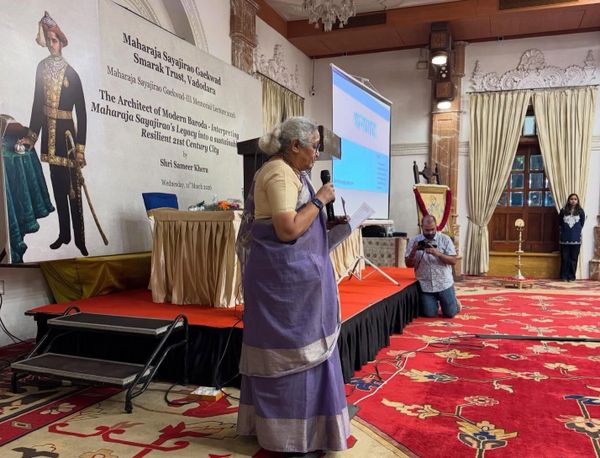
The Museum hosts cultural festivals celebrating music, dance, literature, and visual arts, bringing together performers, scholars, and audiences in a shared cultural dialogue while preserving its role as a custodian of heritage. It also organizes the Maharaja Sayajirao Gaekwad III Memorial Lecture Series, which brings together distinguished scholars, thought leaders, policymakers, artists, and public intellectuals to reflect on contemporary issues through the lens of history, culture, education, governance, and social progress, thereby continuing the intellectual and reformist legacy of Maharaja Sayajirao Gaekwad III.
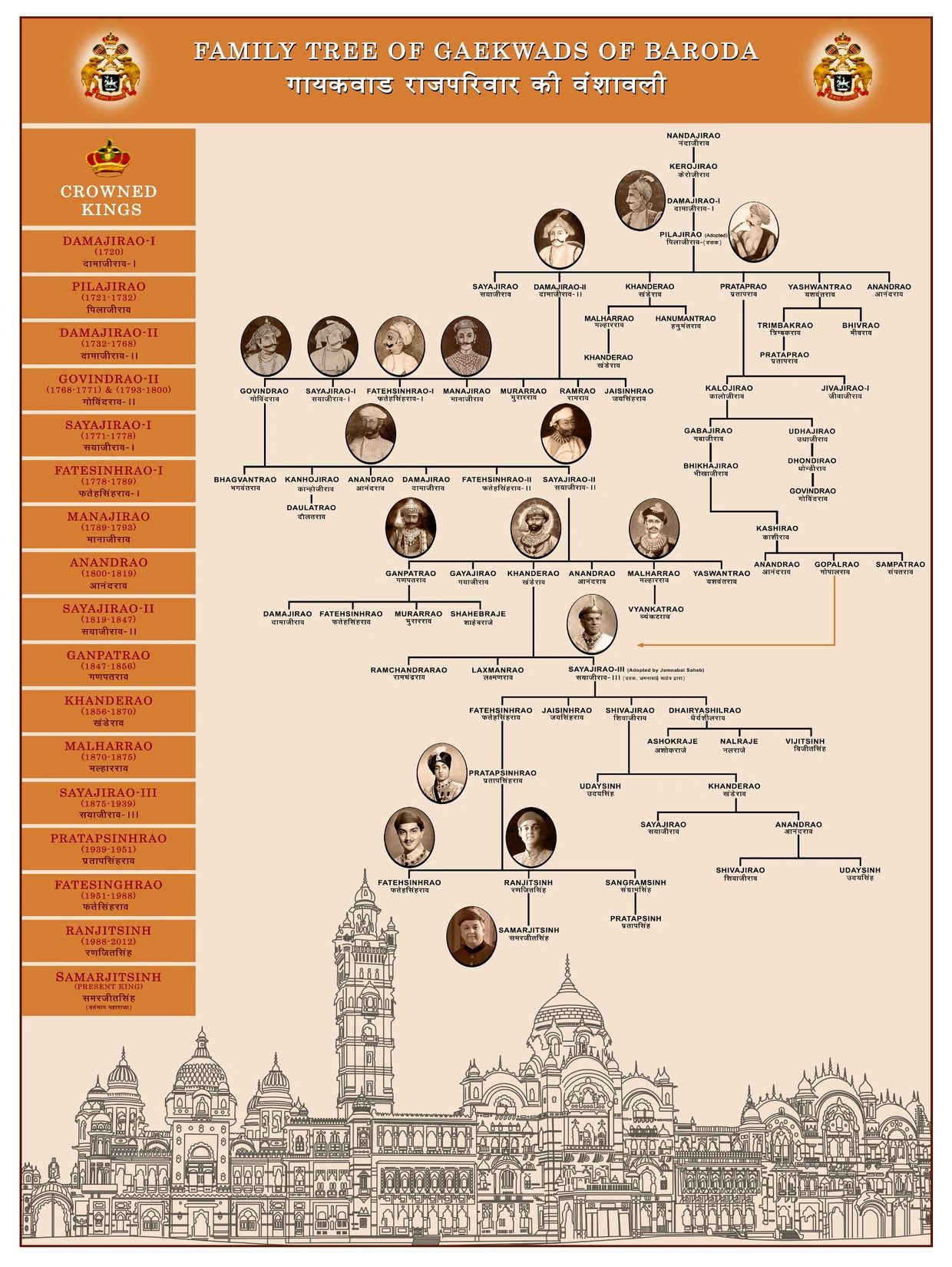
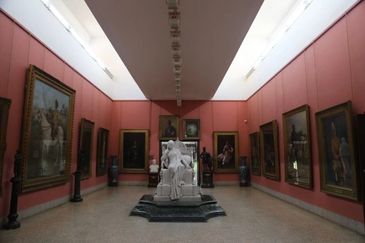

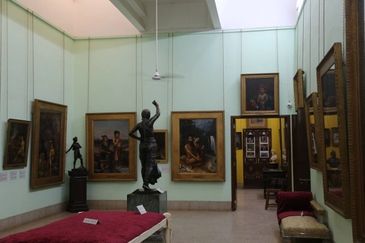
The Gaekwads of Baroda has long been recognised for its progressive vision and enduring patronage of art, education, and public institutions. Their legacy is deeply interwoven with the cultural fabric of the region, shaping not only architectural landmarks like the Lukshmi Vilas Palace but also institutions such as the Maharaja Fatesingh
The Gaekwads of Baroda has long been recognised for its progressive vision and enduring patronage of art, education, and public institutions. Their legacy is deeply interwoven with the cultural fabric of the region, shaping not only architectural landmarks like the Lukshmi Vilas Palace but also institutions such as the Maharaja Fatesingh Museum. Through generations, the Gaekwads have upheld a commitment to preserving heritage while fostering cultural and intellectual growth.
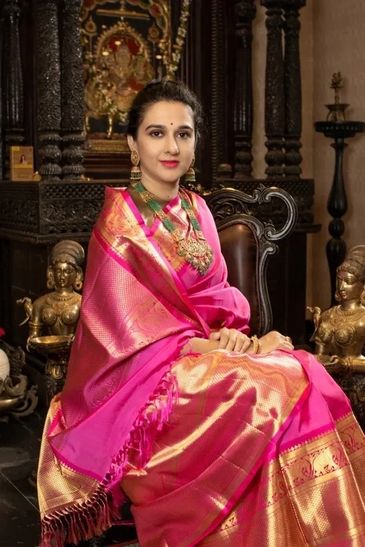
HH Dr Radhikaraje Gaekwad continues this distinguished legacy with a contemporary vision rooted in heritage and social impact. Actively involved in cultural, educational, and philanthropic initiatives, she plays a key role in promoting heritage conservation and community engagement. Her work reflects a thoughtful balance between tradition
HH Dr Radhikaraje Gaekwad continues this distinguished legacy with a contemporary vision rooted in heritage and social impact. Actively involved in cultural, educational, and philanthropic initiatives, she plays a key role in promoting heritage conservation and community engagement. Her work reflects a thoughtful balance between tradition and modern relevance, further strengthening the Gaekwad family’s enduring contribution to society.

The Lukshmi Vilas Palace stands as one of the grandest private residences in the world and a symbol of the Gaekwads’ architectural and cultural legacy. Built in the Indo-Saracenic style, the Palace is not only an architectural marvel but also a living testament to royal patronage of the arts. It continues to serve as a centre for heritage
The Lukshmi Vilas Palace stands as one of the grandest private residences in the world and a symbol of the Gaekwads’ architectural and cultural legacy. Built in the Indo-Saracenic style, the Palace is not only an architectural marvel but also a living testament to royal patronage of the arts. It continues to serve as a centre for heritage experiences, offering visitors a glimpse into the grandeur, history, and artistic traditions of Baroda.
We look forward to welcoming our visitors—please feel free to plan your visit during the museum’s regular visiting hours.
Lukshmi Vilas Palace Estate, Jawaharlal Nehru Marg, Vadodara-390001, Gujarat, India.
Today | Closed |
The Museum is open from 9:30 AM to 5:30 PM, Tuesday through Sunday.
It remains closed on Mondays and on public holidays.
We look forward to welcoming you.


